

Culture of Sustainability
Gerdau integrates green practices into our operations. Through initiatives including waste reduction, sustainable purchasing, pollution prevention, energy efficiency, and alternative transportation, we strive to lessen our impact on the environment.
Proud To Be Green
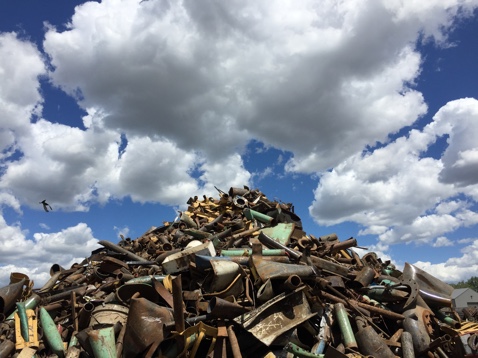
Recycling
Steel is an endlessly recyclable material. Each year, Gerdau transforms millions of tons of recycled scrap into new steel products. Most of the scrap comes from discarded materials. Material recycled from automotive, packaging and appliance production processes all go into the creation of new steel products.
Did You Know?
- Producing steel from scrap metal reduces the amount of material deposited in landfills.
- The use of steel scrap as a raw material reduces energy consumption in our production process, and minimizes emissions of CO2.
- Recycling scrap is also great for our economy, as it generates jobs for thousands of people through an extensive chain of scrap collection and processing operations.
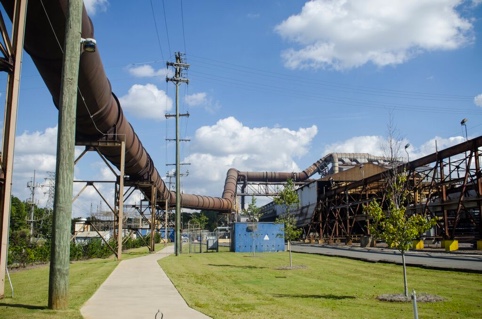
Air
Gerdau mills have modern dust removal systems that capture particles generated in the steel production process. This filtered material is a co-product used by other industries.
Gerdau decreases its CO2 generation by:
- Replacing oil with natural gas
- Implementing projects focused on energy efficiency
- Updating technology at our plants
- Using scrap as a raw material
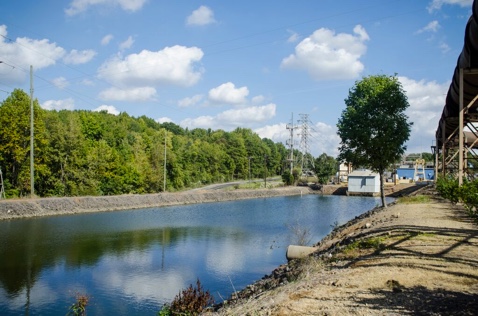
Water
We rely on water to cool production equipment and steel products. To conserve this water, Gerdau uses a closed-loop system that allows this valuable resource to be treated and reused. This process optimizes and substantially reduces water consumption.
Through new technology and awareness, our water intake is decreasing. Today, the company reuses almost 97% of its industrial process water.

Investments
to protect the
environment

Preservation
of surrounding
forests

Training
in environmental
education
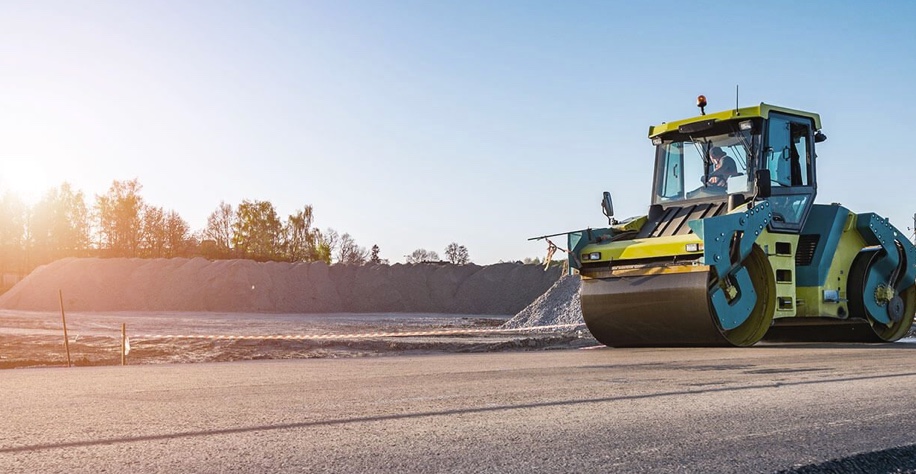
Co-Products
Co-products - which are the secondary materials produced during steel production - can be used in numerous industrial applications, such as road paving, railway ballasts, foundries, cement manufacturing and ceramics. Gerdau reuses 73% of its co-products globally, and donates other co-products to help municipalities improve the roads in areas near our operations.
Green Space
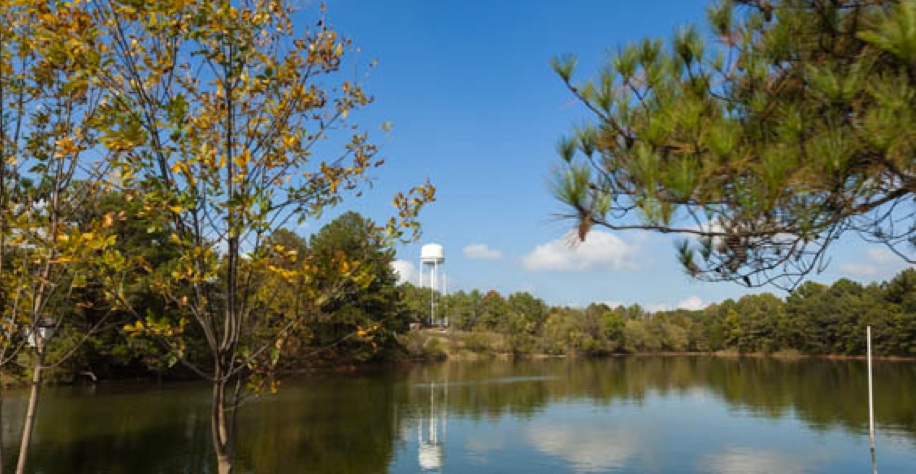
Gerdau's commitment to a sustainable future is reflected by the green areas we maintain on our mill properties. This effort to coexist with the surrounding land provides a buffer for neighboring property uses, and allows nature to prosper.
GERDAU'S COMMITMENT TO CLIMATE CHANGEClimate change is an important topic for Gerdau within its business and sustainability strategy. Since its foundation more than 120 years ago, the company has been operating with a production matrix based primarily on recycling scrap and charcoal. This environmentally conscious formula has enabled Gerdau to always place among the global steel industry's lowest greenhouse gas emitters. But we know we must go further. Therefore, we are assuming a goal of reducing our greenhouse gas emissions to 0.82 t/CO2e per tonne of steel by 2031. This new level will put Gerdau at a volume of emissions less than half the global average in the steel sector. Emissions are even lower in North America, where all Gerdau locations utilize scrap-based electric arc furnace technology. In this same movement of decarbonizing our operations, we are also assuming an ambition to make our operations carbon neutral by 2050. We are still developing the plan to reach this goal, but we are committed to bringing solutions to society's challenges to shape a more sustainable future for all. Learn more about how Gerdau is currently positioned in greenhouse gas emissions compared to the steel industry and the advances we are pursuing to reduce these emissions in the short, medium, and long term. |
||
|
|
INDUSTRY RECOGNITION

Carbon Disclosure Project
Our greenhouse gas emissions were classified by the Carbon Disclosure Project (CDP), in the Climate Change module, as A-, better than the global average in the metals and metallurgy sector.

World Steel Association
Gerdau locations are recognized as among the best performers in terms of intensity of greenhouse gas emissions by the World Steel Association (worldsteel).

ICO2
Gerdau is the first steel producer to be included in the Carbon Efficient Index (ICO2), an indicator created by B3, the Brazilian Stock Exchange, in partnership with the National Bank for Economic and Social Development (BNDES).
DID YOU KNOW?Steel is an essential and irreplaceable material, infinitely and 100% recyclable. Steel is present in the lives of millions of people at different moments and locations in their routines, in the houses where they live, and in the means of transport they use. Steel is present in new power generation technologies, as raw material for solar panels and wind towers, and in new infrastructure solutions, making it a crucial material for decarbonizing the planet. |